Archives
- 2026-06
- 2026-05
- 2026-04
- 2026-03
- 2026-02
- 2026-01
- 2025-12
- 2025-11
- 2025-10
- 2025-09
- 2025-03
- 2025-02
- 2025-01
- 2024-12
- 2024-11
- 2024-10
- 2024-09
- 2024-08
- 2024-07
- 2024-06
- 2024-05
- 2024-04
- 2024-03
- 2024-02
- 2024-01
- 2023-12
- 2023-11
- 2023-10
- 2023-09
- 2023-08
- 2023-07
- 2023-06
- 2023-05
- 2023-04
- 2023-03
- 2023-02
- 2023-01
- 2022-12
- 2022-11
- 2022-10
- 2022-09
- 2022-08
- 2022-07
- 2022-06
- 2022-05
- 2022-04
- 2022-03
- 2022-02
- 2022-01
- 2021-12
- 2021-11
- 2021-10
- 2021-09
- 2021-08
- 2021-07
- 2021-06
- 2021-05
- 2021-04
- 2021-03
- 2021-02
- 2021-01
- 2020-12
- 2020-11
- 2020-10
- 2020-09
- 2020-08
- 2020-07
- 2020-06
- 2020-05
- 2020-04
- 2020-03
- 2020-02
- 2020-01
- 2019-12
- 2019-11
- 2019-10
- 2019-09
- 2019-08
- 2019-07
- 2019-06
- 2019-05
- 2019-04
- 2018-07
-
Consistent with prior reports this
2020-01-02
Consistent with prior reports, this study also found the level of 11 cytokines (MIF, IL-1Ra, CTACK, M-CSF, Basic FGF, VCAM-1, SDF-1α, IL-8, IL-16, PDGF-β, and GRO-α) significantly decreased in the sera of adult HFMD patients in comparison with controls. MIF is a pro-inflammaory cytokine that is asso
-
In conclusion our data demonstrated that montelukast and pra
2020-01-02

In conclusion, our data demonstrated that montelukast and pranlukast non-competitively blocked P2Y signaling in several cell systems, but in a relatively nonsubtype-specific manner. The functional antagonism was especially evident at heterologously expressed P2Y1 and P2Y6 receptors, at which IC50 va
-
During the course of our research on mGlu PAMs the
2020-01-02
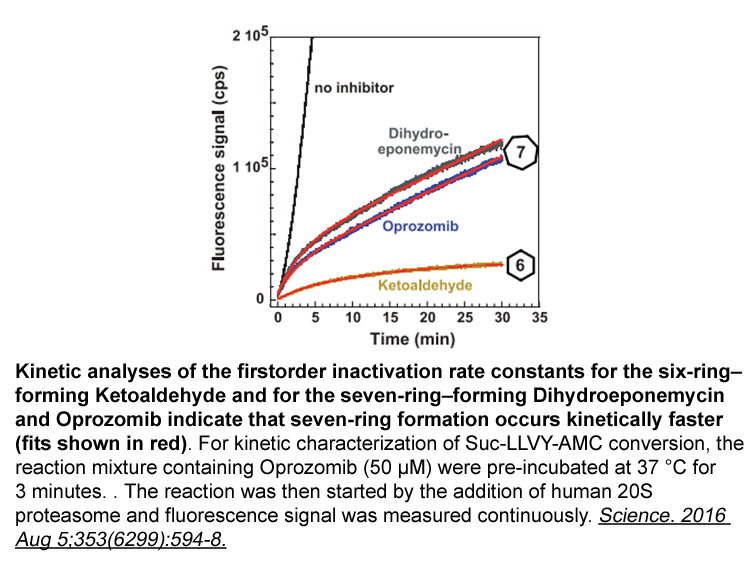
During the course of our research on mGlu PAMs,, the hydroxyacetophenone scaffold was found to possess dual mGlu PAM and CysLT1 antagonism activity, presumably as orthosteric antagonist (). There is currently an increasing interest in drug discovery to explore multitarget drugs or polypharmacology
-
Similar to Bdnf acute administration of RG
2020-01-02
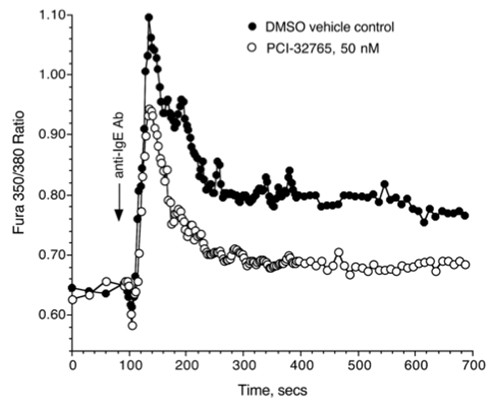
Similar to Bdnf4, acute administration of RG108 did not alter gene expression of Gria1 and Hdac2, despite their relevance for the task. Gria1 belongs to the α-amino-3-hydroxy-5-methyl-4-isoxazolepropionic MK-8776 receptor (AMPAR) family that is known to be crucial for LTP and the strengthening of s
-
In the current study although EP agonist
2020-01-02
In the current study, although EP4 agonist was the most effective in relaxing corpus cavernosum, it did not affect the neuronally-mediated relaxation. On the other hand, both alprostadil and iloprost, which were less effective as direct relaxants, potentiated EFS-induced relaxation of rat corpus cav
-
The present study failed to demonstrate an
2020-01-02
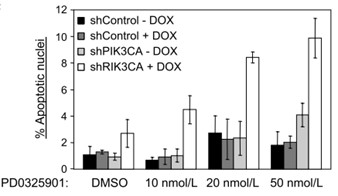
The present study failed to demonstrate an independent association of preoperative ChE with BCR. This is in contrast to Koie et al. who reported that pretreatment serum ChE was significantly associated with BCR in 535 patients with CaP who underwent RP (5-year BRFS rates were 77.7% and 55.0%, respec
-
Expression of EBI and its function for migration
2019-12-31
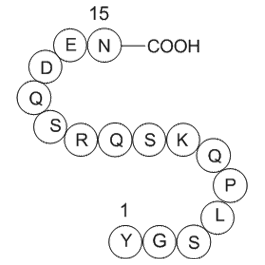
Expression of EBI2 and its function for migration in vitro in T cells was recently reported (Chalmin et al., 2015, Hannedouche et al., 2011, Liu et al., 2011, Pereira et al., 2009). Pereira et al. (2009) used an EBI2 reporter mouse and found that most CD4+ T cells, but only approximately half of the
-
To analyze EBI expression and its function
2019-12-31
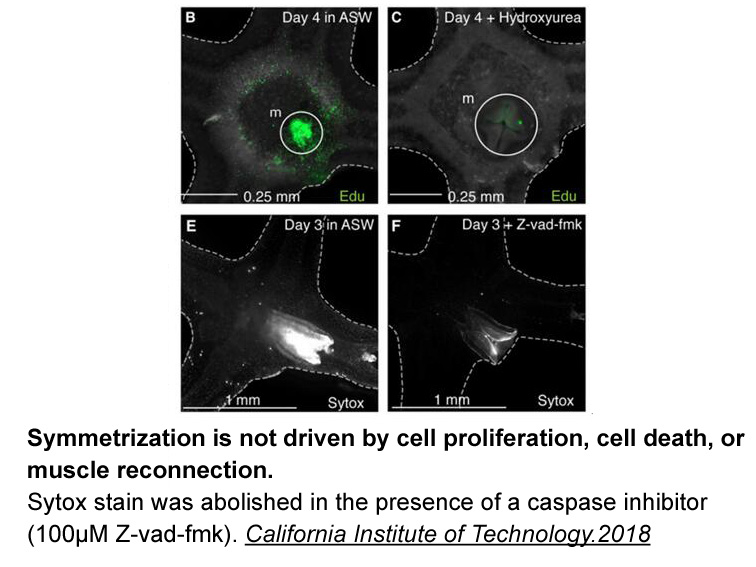
To analyze EBI2 expression and its function in T cells in vivo, we created an EGFP reporter/knockout mouse strain, termed EBI2EGFP. This mouse strain in heterozygous configuration allows for a systematic analysis of the expression of EBI2 in distinct cell types in steady-state and under inflammatory
-
levels of Crystallographic and NMR based analyses have revea
2019-12-31
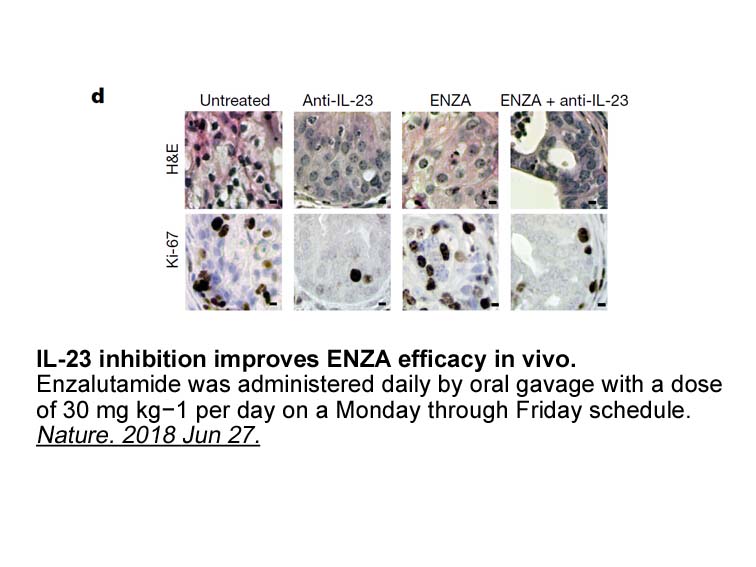
Crystallographic and NMR-based analyses have revealed that RINGs and U-boxes have a common mode of interaction with E2s (Fig. 2A). The key structural elements are two loop-like regions, which, in the case of RINGs, coordinate Zn. The loops surround a shallow groove formed by the central α-helix. Tog
-
br Materials and methods br Results br Discussion Regardless
2019-12-31
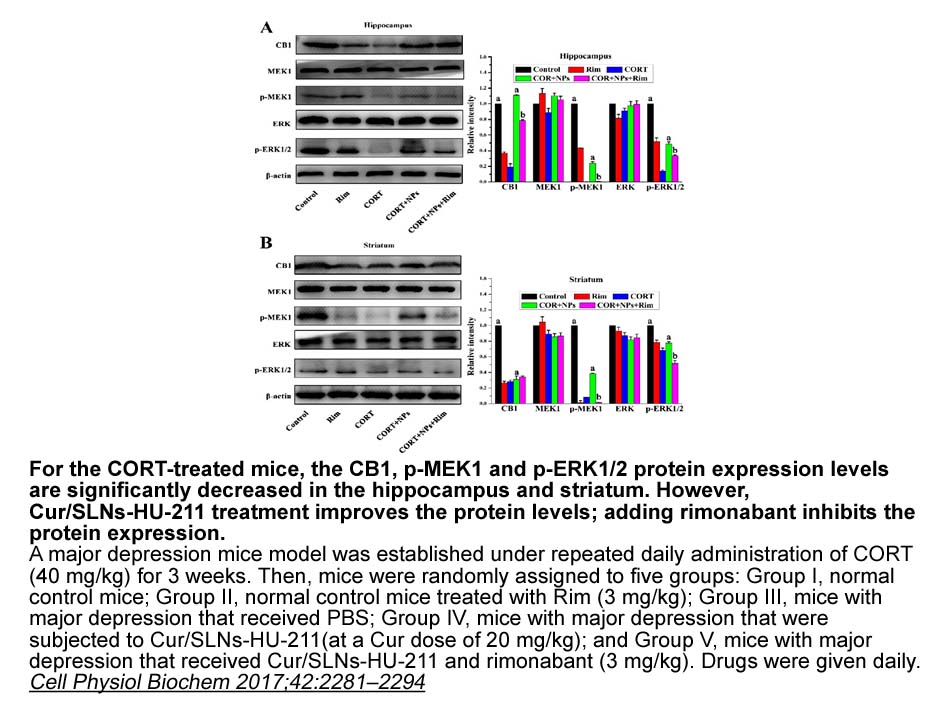
Materials and methods Results Discussion Regardless of obvious beneficial effects of GC on acceleration of foetal lung and cardiomyocytes maturation (Kamath-Rayne et al., 2012; Rog-Zielinska et al., 2015), the current study revealed that GC exposure during late pregnancy induces IR and alte
-
To ascertain separation of the distinct enzymatic activities
2019-12-31
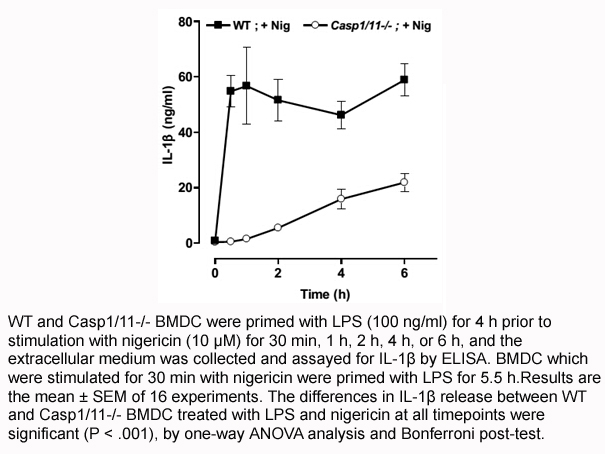
To ascertain separation of the distinct enzymatic activities found in this protein preparation following separation on the HAP column, a rigorous quantitative analysis was conducted on the nickel–agarose elution and HAP FT pools of protein. For these analyses, each pool of protein was dialyzed in th
-
sr9011 mg Introduction Maintenance of genome integrity is es
2019-12-31
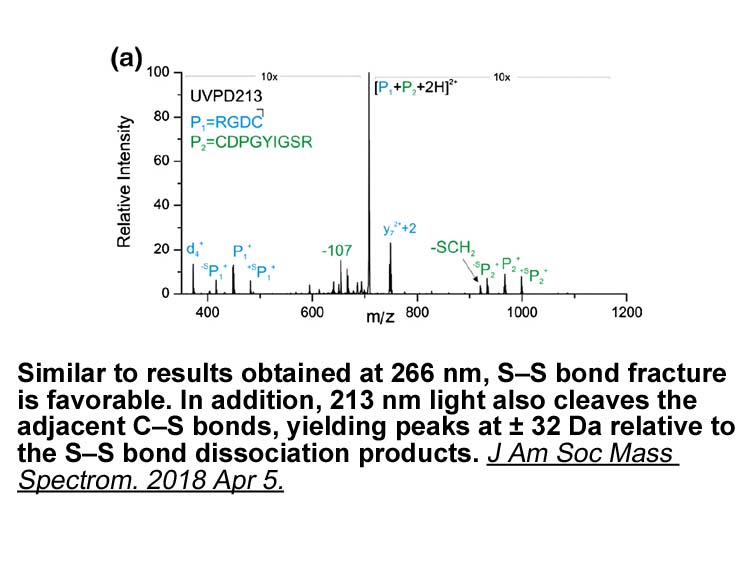
Introduction Maintenance of genome integrity is essential for life, and faithful DNA replication and repair ensure this. One of the most important parameters for DNA maintenance is the regulation of optimal concentrations of the four 5′-deoxyribonucleoside-triphosphates (dNTPs) the precursors for D
-
DGAT is specifically responsible for endogenous
2019-12-31
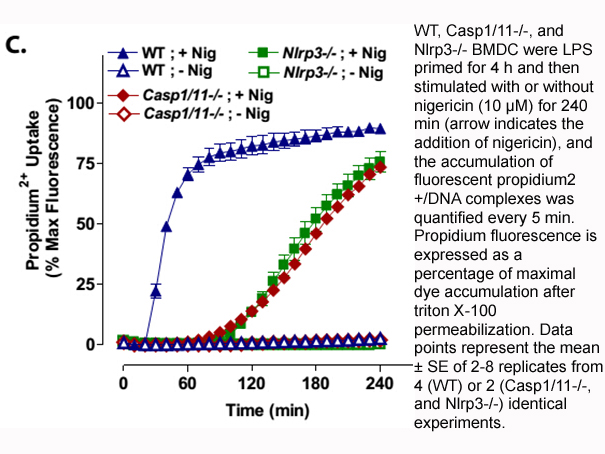
DGAT2 is specifically responsible for endogenous synthesis of TAGs which are then packed into cytosolic LDs in the cytosol for storage and luminal apolipoprotein B (apoB)-containing LDs in the ER lumen destined for VLDL secretion [122,127]. DGAT2 can also synthesize TAG using exogenous FAs and suppo
-
N fowleri enters the host through the
2019-12-31
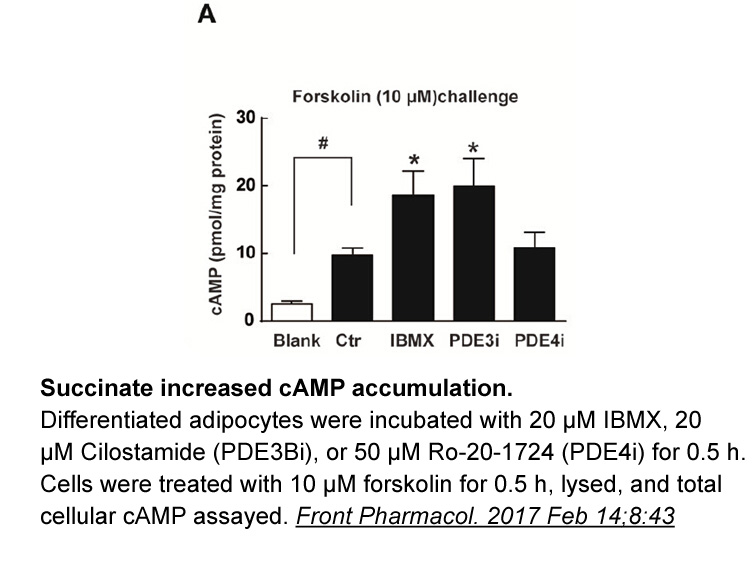
N. fowleri enters the host through the nasal cavity and travels via the olfactory nerve into the glasdegib where it causes PAM (Visvesvara and Stehr-Green, 1990). The ameba most commonly infects healthy young adults and children and is able to evade the immune system but also elicits extensive dama
-
Based on the finding described above the present study
2019-12-31
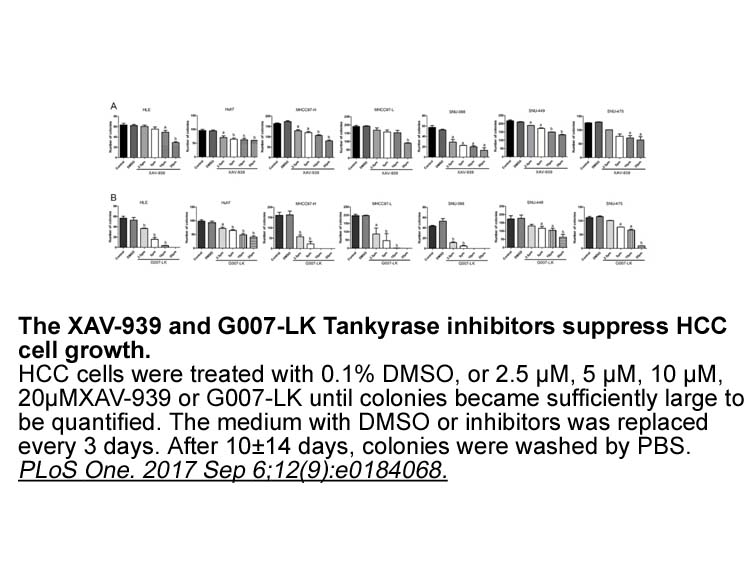
Based on the finding described above, the present study was designed to investigate the effects of specific CRF receptors, CRF1 and CRF2, in the BLA and CeA on the duration of TI in guinea pigs (Cavia porcellus). To this end, we evaluated whether administration of the CRF1 pramiracetam mg antagonis
16254 records 943/1084 page Previous Next First page 上5页 941942943944945 下5页 Last page