Archives
- 2026-06
- 2026-05
- 2026-04
- 2026-03
- 2026-02
- 2026-01
- 2025-12
- 2025-11
- 2025-10
- 2025-09
- 2025-03
- 2025-02
- 2025-01
- 2024-12
- 2024-11
- 2024-10
- 2024-09
- 2024-08
- 2024-07
- 2024-06
- 2024-05
- 2024-04
- 2024-03
- 2024-02
- 2024-01
- 2023-12
- 2023-11
- 2023-10
- 2023-09
- 2023-08
- 2023-07
- 2023-06
- 2023-05
- 2023-04
- 2023-03
- 2023-02
- 2023-01
- 2022-12
- 2022-11
- 2022-10
- 2022-09
- 2022-08
- 2022-07
- 2022-06
- 2022-05
- 2022-04
- 2022-03
- 2022-02
- 2022-01
- 2021-12
- 2021-11
- 2021-10
- 2021-09
- 2021-08
- 2021-07
- 2021-06
- 2021-05
- 2021-04
- 2021-03
- 2021-02
- 2021-01
- 2020-12
- 2020-11
- 2020-10
- 2020-09
- 2020-08
- 2020-07
- 2020-06
- 2020-05
- 2020-04
- 2020-03
- 2020-02
- 2020-01
- 2019-12
- 2019-11
- 2019-10
- 2019-09
- 2019-08
- 2019-07
- 2019-06
- 2019-05
- 2019-04
- 2018-07
-
GSK2656157 Several independent investigators have documented
2020-08-05
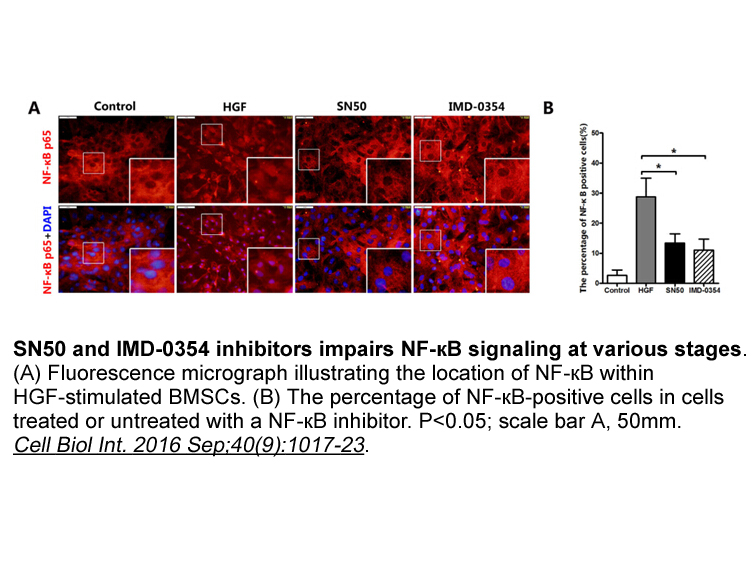
Several independent investigators have documented disturbances in central NErgic systems and early involvement of the LC in PD (Dickson et al., 2009, German et al., 1992, Marien et al., 2004, Schapira et al., 2006). Experimental lesions of the LC have also been shown to exacerbate PD pathology and b
-
br Results br Discussion Two of the
2020-08-05
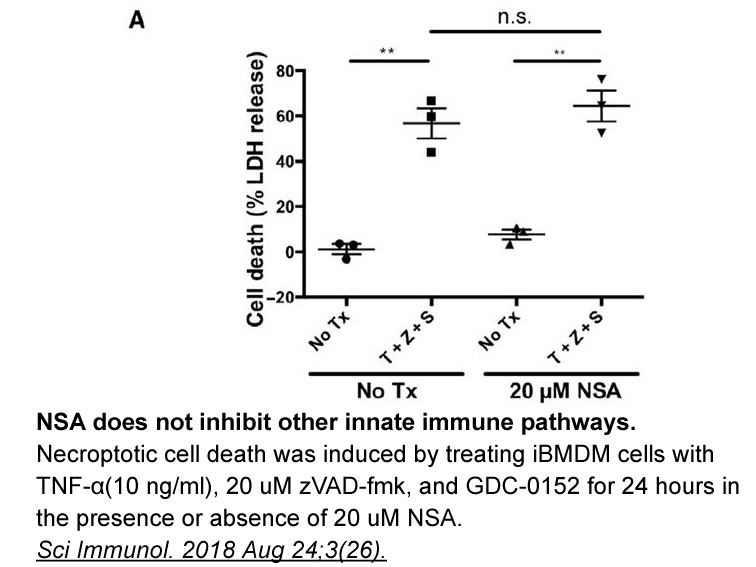
Results Discussion Two of the agents used, adozelesin and Et743, bind to dsDNA in the minor groove and were the most potent inhibitors of RecBCD, demonstrating that interactions with the minor groove play a critical function during translocation and DNA unwinding by this enzyme. Residues 245 t
-
br Introduction Chemokine receptors interact
2020-08-05

Introduction Chemokine receptors interact with a group of peptide ligands of 8–10kDa and are indispensable for coordination of cell migration in diverse physiological processes such as development, angiogenesis, immune defence and neuroendocrine regulation. They belong to the largest rhodopsin fa
-
Scheme summarizes the synthesis of compounds
2020-08-05

Scheme 2 summarizes the synthesis of compounds 15-34–15-44. Compound 15-34 was prepared by selective N-methylation of the amide of 15-20. The common intermediate 13 was reacted with phenylcarbonochloridate. The addition of (3,4-dichlorophenyl)methanol followed by hydrolysis of the resulting ester mo
-
Our study using real time confocal microscopy in live
2020-08-05
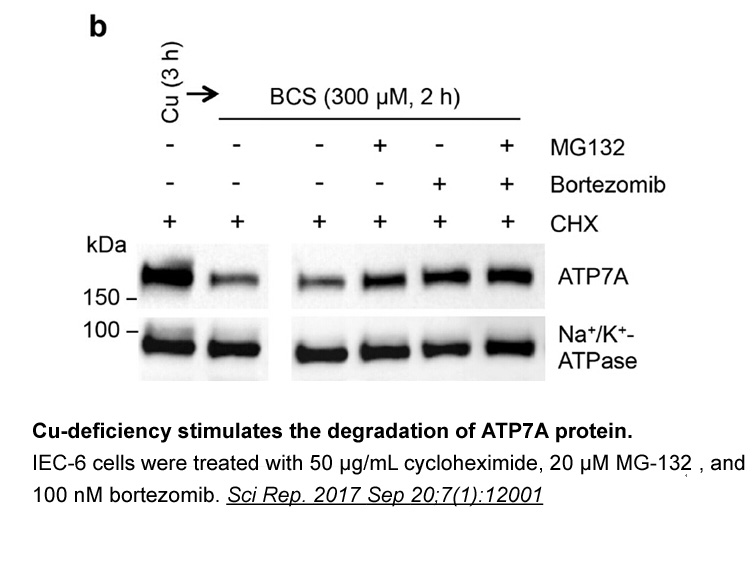
Our study using real-time confocal microscopy in live JNK-IN-7 synthesis provides the first evidence that the human CRF2(a) receptor activated by UCN2 or UCN3 rapidly and strongly recruits GFP-labeled βarrestin2 to the plasma membrane where βarrestin2 proteins colocalize with CRF2(a) receptor prote
-
br Acknowledgments br Introduction Social software applicati
2020-08-05
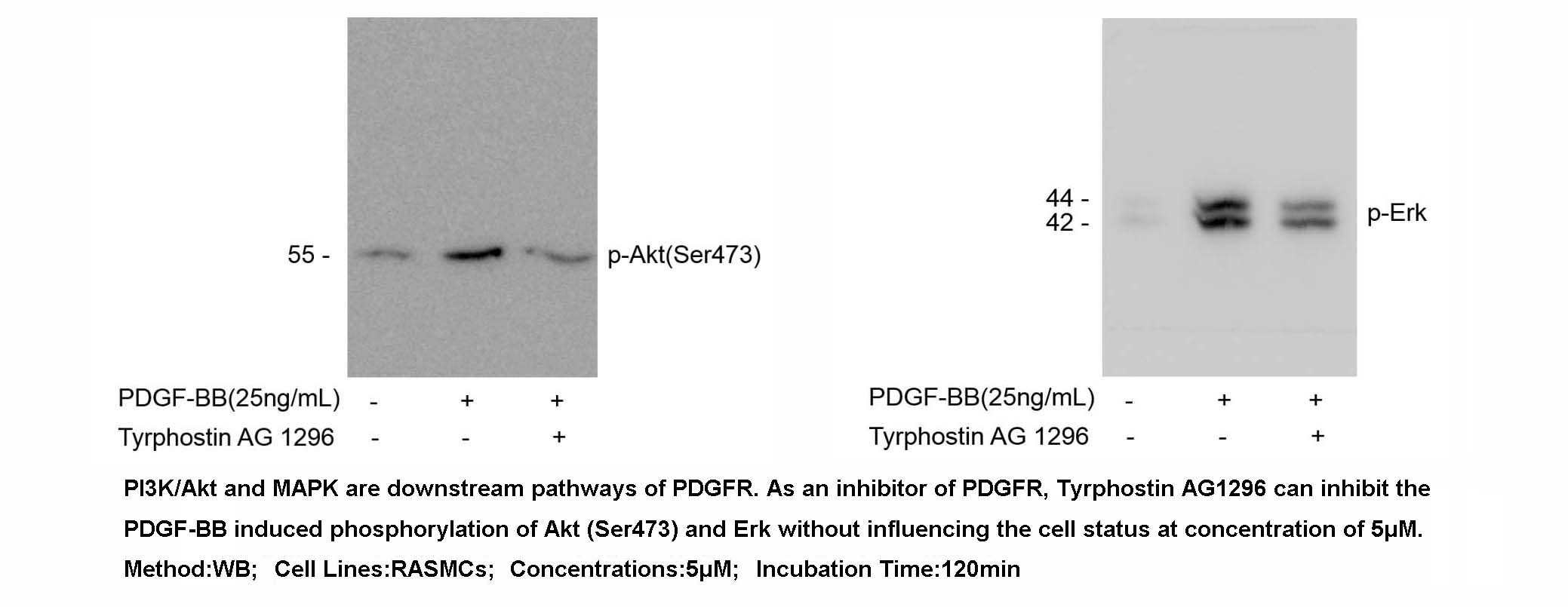
Acknowledgments Introduction Social software applications – such as wikis, weblogs, and social networking sites (SNS) – have recently attracted organizational researchers’ attention (e.g., Kane and Fichman, 2009, Kane et al., 2014a). The impressive growth of public social web sites, like Faceb
-
ML 239 australia br Experimental Procedures br Author
2020-08-05
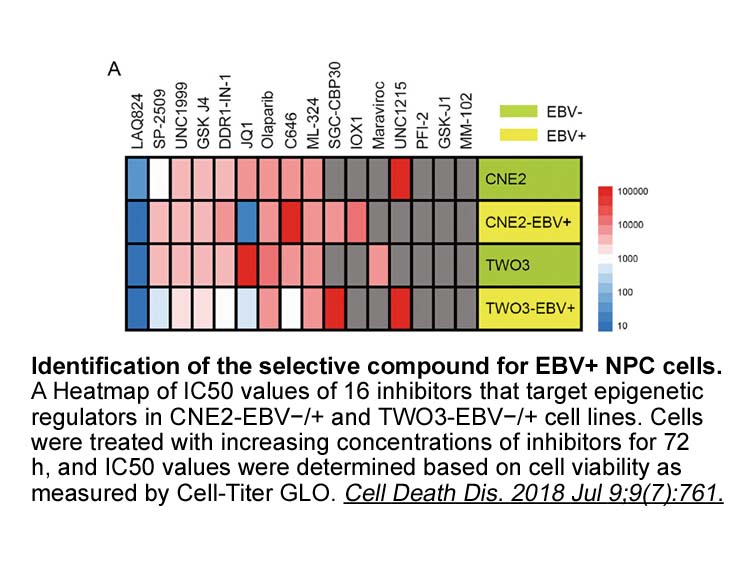
Experimental Procedures Author Contributions M.M. and M.T. designed and supervised the study. S.I. conducted the analysis on NOG-rd mice. H.-Y.T., M.F., and T.M. conducted and analyzed MEA. S.I., H.-Y.T., and M.M. performed 3D image analysis. N.K., T.K., M.G., and R.T. planned and established
-
br Acknowledgements br Membrane bound
2020-08-04
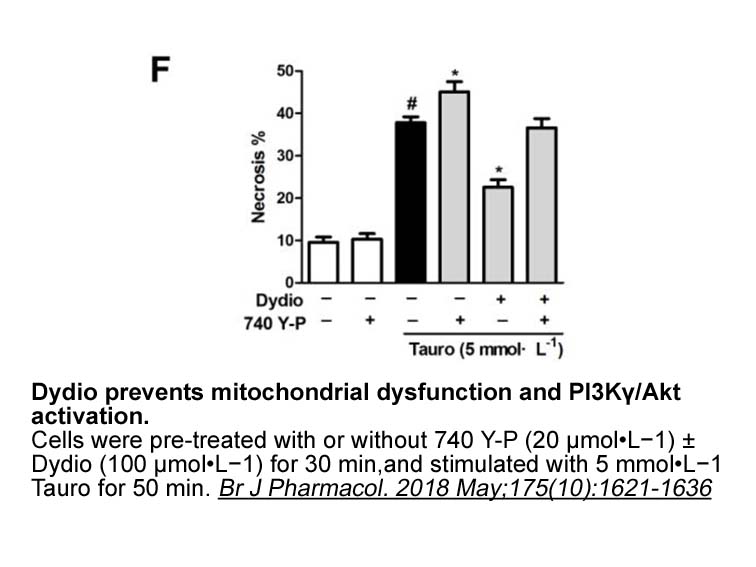
Acknowledgements Membrane-bound proton-translocating inorganic pyrophosphatases (H-PPase; EC 3.6.1.1) belong to a recently identified category of proton pumps, distinct from F-, P-, and V-ATPases, which utilize pyrophosphate hydrolysis as the driving force for H movement across biological membr
-
An inverted U is widely believed to characterize
2020-08-04
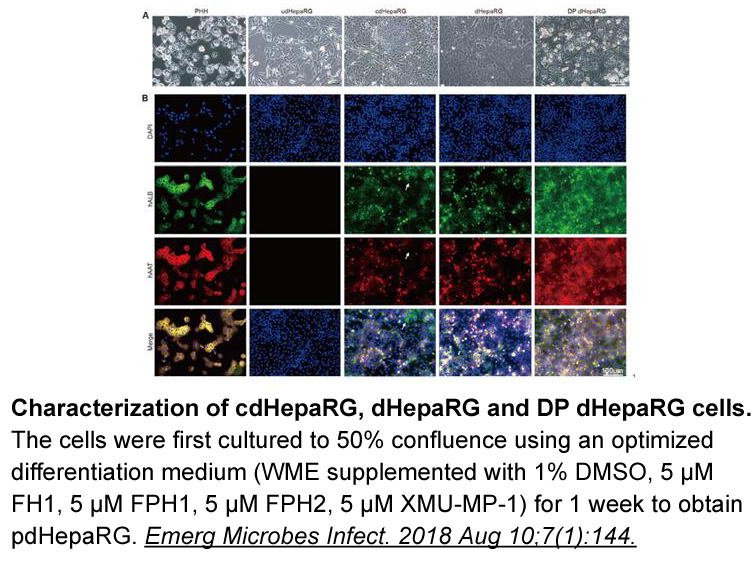
An “inverted-U” is widely believed to characterize the relationship between dopaminergic activity and cognitive performance, in which too much or too little dopaminergic activity has detrimental effects on cognition (Sawaguchi and Goldman-Raikic, 1991). The present findings were consistent with the
-
br Discussion The use of co
2020-08-04
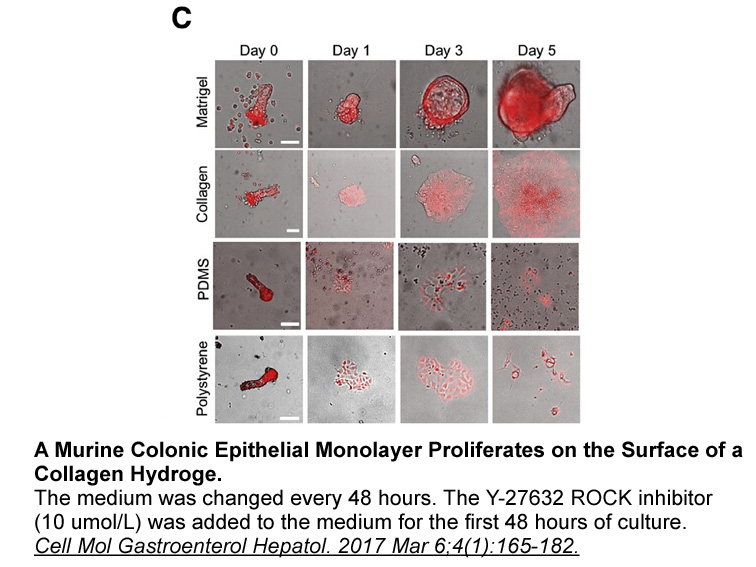
Discussion The use of co-translational incorporation during fermentation [27] to introduce Hyp residues instead of Pro residues in a bacterial collagen has been demonstrated. Inclusion of NaCl in the medium further increases the level of Hyp incorporation. It has been proposed [27] that this is d
-
In the next experiments using a Cell
2020-08-04

In the next experiments, using a Cell Stress Array kit we assessed the effect of mixture of progestogens on the expression of 26 proteins. One group of proteins including PON3, Phospho-p38a, SIRT2, SOD2, HIF-1 alpha, HIF-2alpha and p27 were upregulated upon progestogen treatment. HIF-1 functions as
-
In the past few years DNA templated fluorescent
2020-08-04
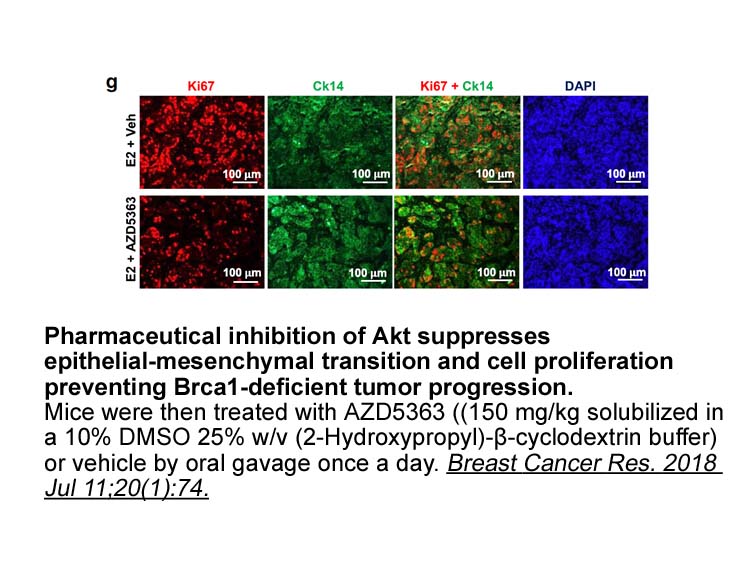
In the past few years, DNA-templated fluorescent metal nanoparticles have been developed as ideal alternatives to organic dyes due to their facile synthetic process, outstanding optical properties, ultrafine size, and fine biological compatibility. Since the first successful demonstration of DNA-tem
-
Monoterpenes are classified into four different types namely
2020-08-03
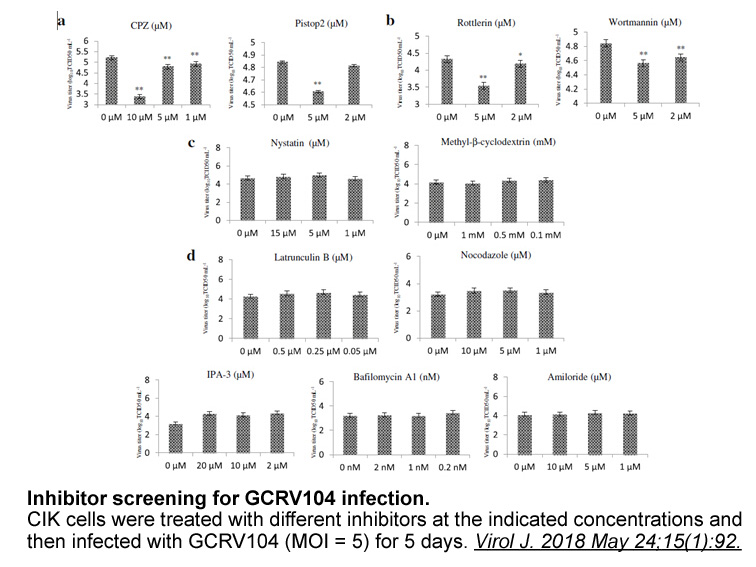
Monoterpenes are classified into four different types, namely: acyclic (hydrocarbons, alcohols, aldehydes, or esters, especially acetates), monocyclic, bicyclic and iridoid glycosides. Some chemical structures of representative monoterpenes are presented in Fig. 2. FPR modulation by essential oil
-
br Introduction P Y receptors are membrane
2020-08-03

Introduction P2Y receptors are membrane bound and G-protein-coupled receptors (GPCRs) for extracellular nucleotides (Burnstock and Kennedy, 1985). Eight mammalian P2Y receptor subtypes (P2Y1, P2Y2, P2Y4, P2Y6, P2Y11, P2Y12, P2Y13, and P2Y14) have been identified (Ralevic and Burnstock, 1998; von
-
br Conclusions Mulan is a mitochondrial E ubiquitin
2020-08-03
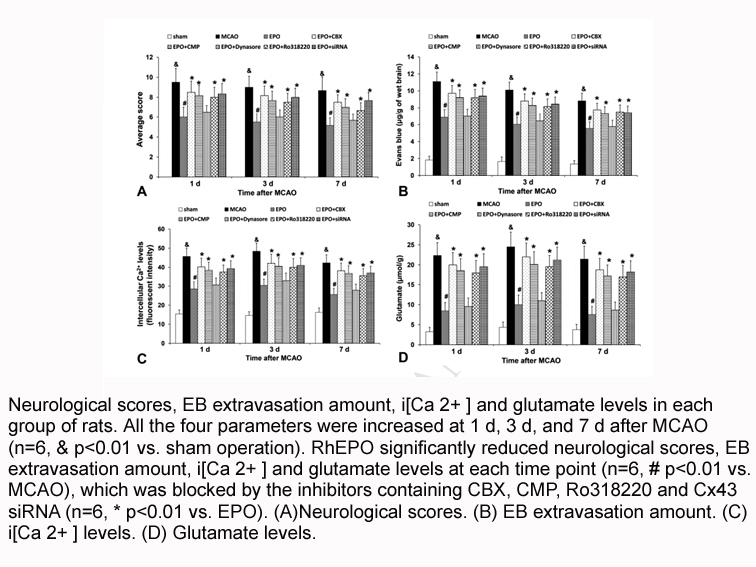
Conclusions Mulan is a mitochondrial E3 ubiquitin ligase with diverse roles in cell growth, cell death, and mitophagy. To better understand the mechanism of Mulan\'s function we used a modified yeast two-hybrid system to isolate proteins that interact with its cytoplasmic RING domain (amino acids
16255 records 839/1084 page Previous Next First page 上5页 836837838839840 下5页 Last page