Archives
- 2026-10
- 2026-09
- 2026-08
- 2026-07
- 2026-06
- 2026-05
- 2026-04
- 2026-03
- 2026-02
- 2026-01
- 2025-12
- 2025-11
- 2025-10
- 2025-09
- 2025-03
- 2025-02
- 2025-01
- 2024-12
- 2024-11
- 2024-10
- 2024-09
- 2024-08
- 2024-07
- 2024-06
- 2024-05
- 2024-04
- 2024-03
- 2024-02
- 2024-01
- 2023-12
- 2023-11
- 2023-10
- 2023-09
- 2023-08
- 2023-07
- 2023-06
- 2023-05
- 2023-04
- 2023-03
- 2023-02
- 2023-01
- 2022-12
- 2022-11
- 2022-10
- 2022-09
- 2022-08
- 2022-07
- 2022-06
- 2022-05
- 2022-04
- 2022-03
- 2022-02
- 2022-01
-
In an AP scenario several inflammatory mediators
2023-08-17
In an AP scenario, several inflammatory mediators are produced locally to orchestrate an immune response. Eicosanoids are among those molecules and represent a class of lipid mediators synthesized from arachidonic m-Chlorophenylbiguanide hydrochloride through the action of cyclooxygenases or lipoxy
-
br Conclusions Triptans are HT B D F
2023-08-17
Conclusions Triptans are 5-HT1B/1D/(1F) receptors agonists and are considered as the gold standard for acute migraine treatment that have been proven effective. Unfortunately, they are contraindicated in patients with cardiovascular diseases due to their vasoconstrictor (side) effects (MaassenVan
-
(±)-Baclofen The following are the supplementary data r
2023-08-17

The following are the supplementary data related to this article. Conflict of interest Acknowledgements Disclosure of interest Introduction Since the introduction of platinum-based chemotherapy, metastatic testicular cancer has become a curable disease and most testicular cancer patient
-
At present drugs that specifically inhibit YAP activity are
2023-08-17
At present, drugs that specifically inhibit YAP activity are not available. In fact, verteporfin, which was originally described as a specific inhibitor of YAP-TEAD interaction, has been recently shown to exert its activity through selective induction of proteotoxicity rather than through YAP inhibi
-
br Materials and methods br
2023-08-17
Materials and methods Results The clinical characteristics of the two selected groups are shown in Table 1. As shown in Table 1, the enzyme activity of ATX in CSF of MS patients (59.90±3.09nmol/min/ml±SEM) was significantly higher (p Discussion Numerous studies have so far shown that ATX tak
-
br Funding br Ethics br Conflict of
2023-08-17
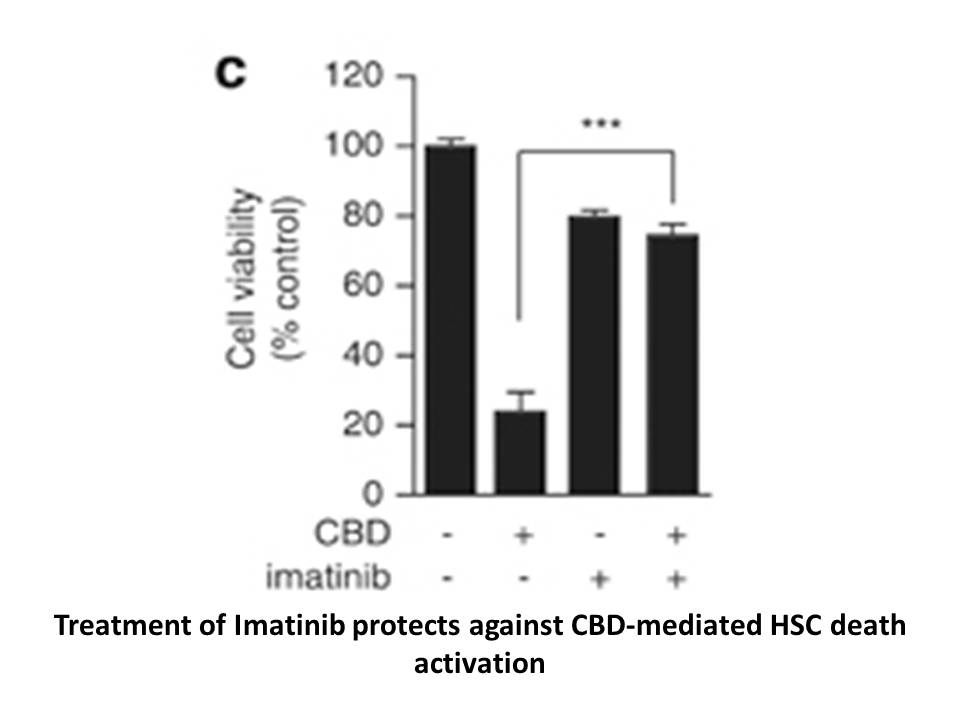
Funding Ethics Conflict of interest Acknowledgements Introduction Hepatic fibrosis occurs in response to different etiologies of chronic liver injury, which is mainly accompanied by pathological Thiorphan of excessive extracellular matrix (ECM) of the liver, as the common reaction of
-
br Regulation of V ATPase assembly in response
2023-08-17
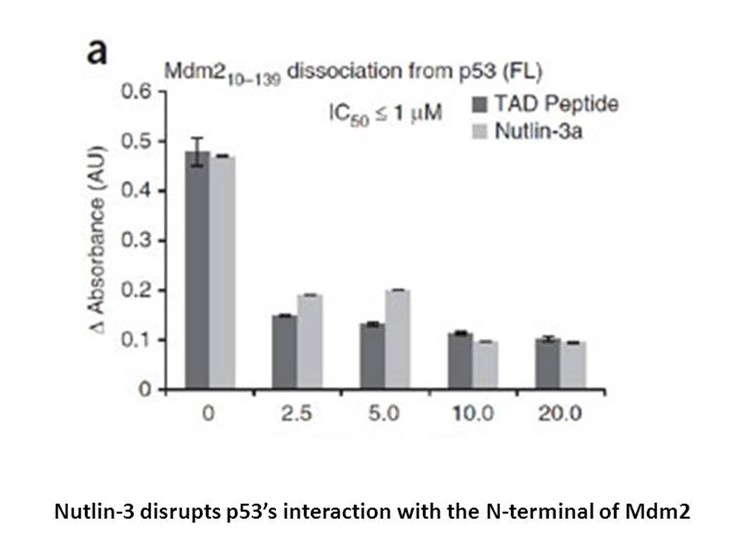
Regulation of V-ATPase assembly in response to changes in amino (R,S)-Anatabine sale levels A central regulator of cell growth and metabolism is mTORC1 [38]. mTORC1 integrates signals from nutrient availability and growth factor receptors to control such processes as protein and lipid synthesis
-
To evaluate the ability of both sets
2023-08-17
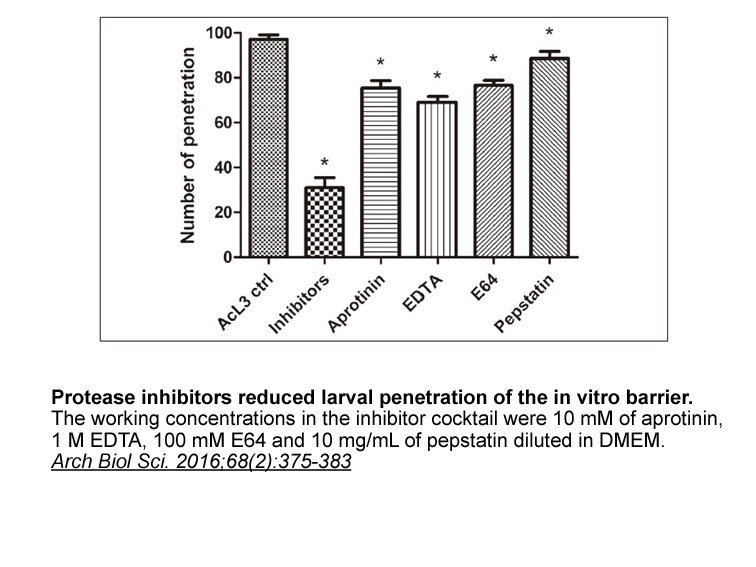
To evaluate the ability of both sets of compounds to inhibit the activity of 15-LOX an initial screen was performed, whose results are shown in . The comparison of inhibition values would seem to indicate that, in the HYD series, an electron donor group at the position increases and an electron at
-
As the effects of baclofen
2023-08-17
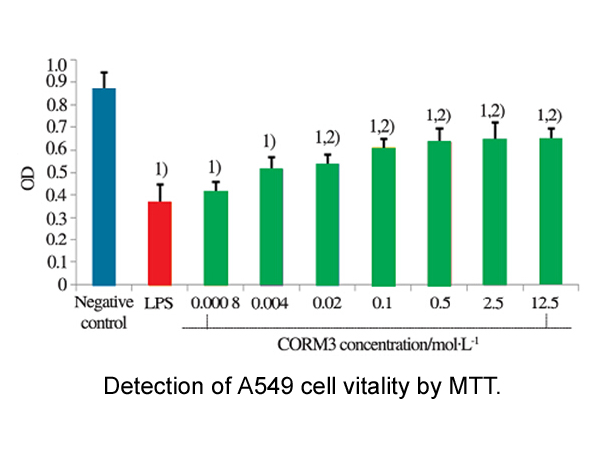
As the effects of baclofen on primary afferent activity are not reproduced by GABAA receptor agonists like muscimol and isoguvacine, this ionotropic receptor may play minimal role in the modulation of primary afferent activity. However, it is important to note that post-synaptic GABAA receptors rema
-
Introduction Induction of long term potentiation
2023-08-16
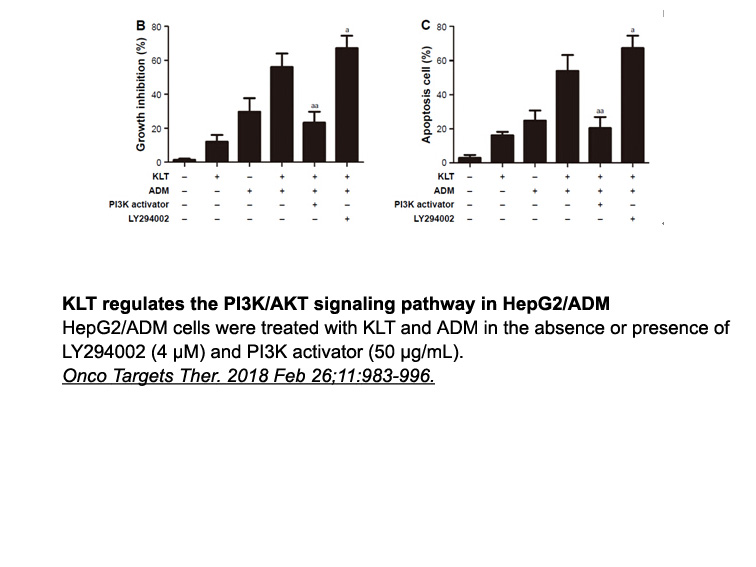
Introduction Induction of long-term potentiation (LTP), the cellular correlate of learning and memory, triggers profound changes in the structure and function of excitatory synapses by increasing dendritic spine size and synaptic strength. Significant progress has been made in understanding the int
-
Further evidence for action mechanism
2023-08-16
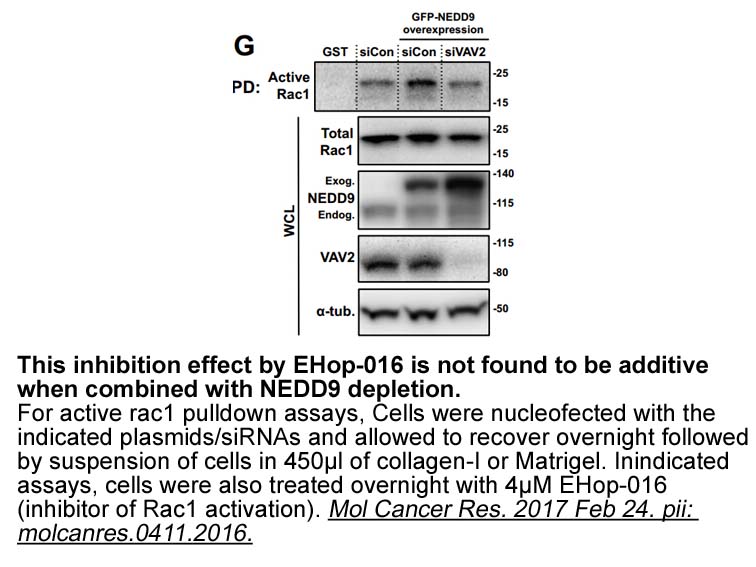
Further evidence for action mechanism was provided by assays using [3H]nisoxetine, a selective NET inhibitor used as standard radioligand for competitive binding experiments. The results showed dose-dependent blocking of [3H]nisoxetine binding by both xylazine and dexmedetomidine. Nisoxetine binds t
-
In conclusion this study detected the expression of adiponec
2023-08-16

In conclusion, this study detected the expression of adiponectin and its receptors, AdipoR1 and AdipoR2, in goat ovarian follicles. In addition, adiponectin was shown to enhance the progression of goat oocyte nuclear maturation in vitro. The present findings provide evidence for paracrine/autocrine
-
The present study showed for the
2023-08-16
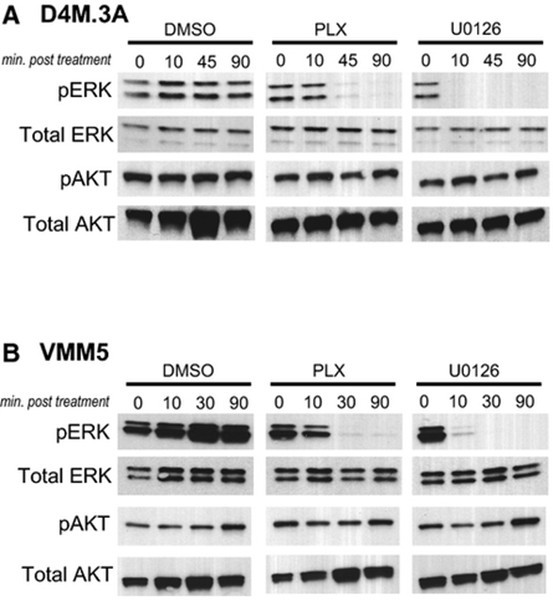
The present study showed, for the first time, that hirsutine, hirsuteine, rhynchophylline, isorhynchophylline, corynoxeine, and isocorynoxeine in yokukansan can inhibit the 5-HT3 receptor current. These data indicate that part of the effect of yokukansan against the behavioral and psychological symp
-
Subsequently Palvimaki et al corroborated Ni and Miledi
2023-08-16
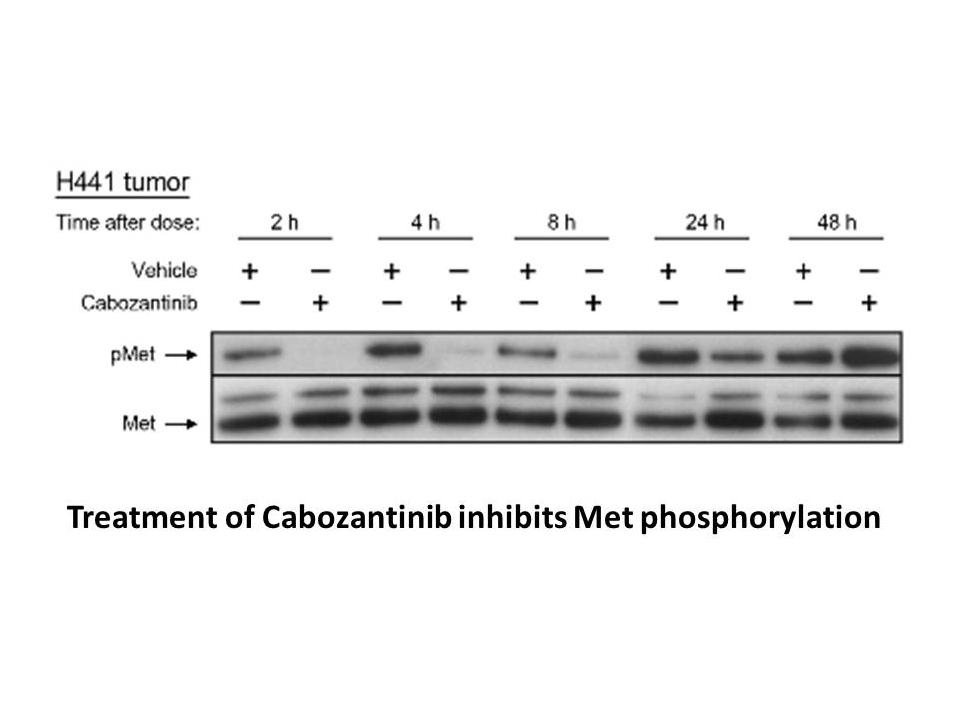
Subsequently, Palvimaki et al. (1999) corroborated Ni and Miledi's study by demonstrating that treatment with fluoxetine leads to 43% occupancy of the 5-HT2C receptors. Moreover, the affinity of fluoxetine for 5HT2C receptors (Ki 65 nM) is close to its affinity for 5-HT transporters (Ki 33 nM) (Ni a
-
br Perspective AA LA and other PUFAs
2023-08-16
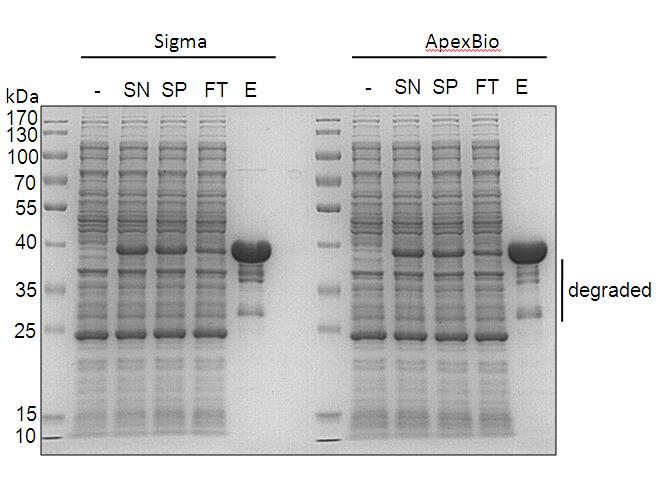
Perspective AA, LA and other PUFAs and their lipid metabolites play an important role in human diseases. 12/15-LOX which is the metabolic enzyme of them plays an important role in the pathogenesis-related diseases such as atherosclerosis, diabetic nephropathy, neurological diseases and other path
8614 records 334/575 page Previous Next First page 上5页 331332333334335 下5页 Last page